Sunday, December 27, 2009

Heart Healthy Diets

heart healthy dietsIn the human body there are many important organs that make the body can function properly, and the liver is one of them. Because if your heart stops working, it will affect other organs in the body part to stop working and this can cause people to die, because it is very important to keep the heart in order to work well

There are several ways to treat the liver, and one way that can treat the liver to function normally is a heart healthy diet is a way to start treating heart with healthy diet.

Food is one factor that can make the body becomes unhealthy if it always consume unhealthy foods, and vice versa if the people is always keeping themselves to consume healthy foods continuously, it will create will be a healthy body including the liver can run well, because it needs to be considered for consuming healthy food and make heart healthy diets for the body including the liver can work well and stay healthy.

If you want to make heart healthy diets, so before making your diet healthy heart better consult a nutritionist or doctor first to get the maximum results to determine what types of food according to the condition of your body in doing healthy heart diet, and based on their suggestions, you can make heart healthy diets correctly.

In general, good food to make heart healthy diet is a type of food with little fat which contains elements of fat consumed is of good quality fats are not bad fats. And other types of foods are vegetables, fruits, nuts, wheat, and so on.

By doing heart healthy diets properly and regularly, it is expected that you have a healthy and strong heart

Heart healthy diet

Sunday, December 20, 2009

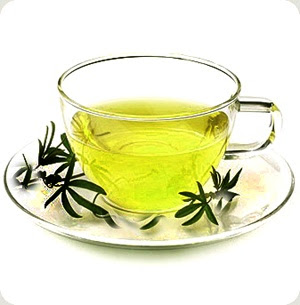
Growing Delightful Tea Herbs in a Home Herb Garden

tea herbsBy Melanie M. Martin

A traditional home herb garden is often allotted into sections. If you cannot physically divide your herb stratum, you can afford separate setting areas in support of diverse herbs. Usually the sections you can plant in a home herb garden are cooking herbs, medicinal herbs, bible herbs, lemon garden or, the tea garden with all the mints and plants in for tea. The medicinal garden give birth to medicinal plants; the lemon backyard is settled up with lemon flavored plants, despite bible plants are plants mentioned in the sphere of the bible and a lot of supplementary themes.

Along of centuries, plants have been beneficial having the status of remedies in support of various therapeutically sickliness, and drinking them as a infusion is a delicious way to profit their blessing. There are a lot of diverse kids of herbal teas, all containing a remarkable mixture of herbs.

In addition to their delicious aromas, a lot of tea plants give birth to medicinal characteristics, and tea drinkers responsive to the special effects of caffeine often give preferentiality to herbal teas; but possibly the main wherefore to cultivate your own herbal teas is the delight of growing an aromatic backyard in the sphere of which to have a good time with a soothing cup of tea.

All around us are these magnificent plants with the purpose of effortlessly and fasten be converted into an herbal tea or besides in an herbal heal. It is probable in our contemporary society to roomy track and stop thinking that many nourishing and advantageous things for our body can be swallowed with adding plants into our meals and tea.

Herbal teas (that as well have the status of tisanes, or also infusions) are generally deemed different from china teas, but traditional black, red and green teas are besides herbal teas, and are often comprehended in the sphere of blends.

Tea plants are an inspiring way to flavor up at all cup of tea. You can besides blend plants in order to produce custom and connoisseur tea blends. An immense recourse of herbs, more than 100, are all been used to treat different conditions and sickliness and improve the taste of all cup of tea.

Herbs like thyme, rosemary, lavender and calendula or marigold can be present growing-up in the sphere of a lot of gardens or a veranda pot. If you organize a slight seek, you can make a single and inspiring tea backyard by your own. Peppermint and spearmint are admirable herbal teas, and without problems grown-up in vessels or pots and placed in the sun. You can besides find wild crafted (grown in the sphere of the wild) plants with the aim of succeed marvelous teas. Dandelions, red clover flourish and stinging nettle all approach to mind once you are taking an amble and can back abode with a number of marvelous herbal tea ingredients.

A small number of traditional tea plants are: Peppermint in support of its digestive properties, lemon balm and chamomile in support of there soothing effects, auburn in support of relieving nausea, echinacea in support of its immune-boosting abilities, and rosemary plant in support of relieving headaches. Other tea plants are rose hips, mints, sweet fennel, orange thyme, hibiscus, lemon verbena, linden flowers, St. John's, licorice core, lavender, raspberry leaf and goldenrod violets. You can besides regard species with other crafty flavors plus apple, pineapple, chocolate, orange and lemon.

This is a scarce number among the lot of plants that can be present in the scope of an herbal tea blend, near are a lot of others, all with its own wellbeing benefits. So, irrespective the kind of tea you determine to ingest, you'll be doing something very beneficial in support of your body health.

Tea plants are incredibly effortless to cultivate, are lovely, and are resistant to insects attacks, so it's not required to sprinkle them with poison.

Since they are pleased exposed to the sun, be present and prefer a location with the purpose of getting roughly 6 hours of gorged sun each daylight hours. Be conscious, notwithstanding, that if you prefer to cultivate your tea herbs exactly in the ground, they'll smother all other herbs approaching if you aren't meticulous. To forewarn this ravenous plundering, sink bottomless small barrel or hamper into the soil, and after that set the plant inside it; vessel gardening will as well help control the roots of these herbs. Also if your garden is not enough large, a lot of delicious tea plants could be developed in vessels on a deck or balcony.

A lot of plants, particularly folks belonging to the mint family, are pleased to be trimmed methodically with clean, incisive snips. This keeps them lusty, bushier, and gives you lots of herbs in support of fresh and dry teas.

Reap your herbal tea plants gingerly, as soon as the herbs have been selected it is simple to harvest, dry, put in storage space and brew; be certain that you have gathered barely the assortment of herb you have chosen in support of tea and not undergrowth or other species of herbs that might been grown amongst your plants.

Tea plants like the mints and lemon balms, chamomiles and rosemary, lavenders, bergamots, fennels and others are gathered, and these resilient plants will rebirth subsequently spring, but this, the harvest period, is the epoch of year they are full with essential oils that zest the teas or infusions.

Watch out that you have, without any doubt, identified the plants you select for tea. There are some herb species can possibly be toxic. Consult an herb encyclopedia, handbook, herbal text, or a pundit botanist previous to ingest any infusion if you give birth to any doubt about herb's identification. Don't apply fertilizers or undergrowth killers on your tea plants, and cleanse them exhaustively sooner than drying for ingest. Try blending your fancied plants in support of an herb tea mixture, but be conscientious, a number of herbs ought to by no means be ingested. By no means prepare tea from plants such as borage, calamus, chaparral, comfrey, ephedra, germander, life core, pennyroyal or sassafras. In a number of strengths those plants can bring on liver wound and other organ jeopardy. You have to know exactly what you are cultivating if you're drinking tea from your own herbs.

Melanie M. Martin, is a home herb garden expert and furthermore enthusiast and lover of plants. To discover more secrets about planning a tea herb garden visit her site here: http://www.herbgardengrow.com and you could sign up for a home herb garden, herb garden, tea herbs, herbal teas, herb gardening FREE Herb Garden Secrets Mini-Course and learn more about how to successfully grown your own herb garden!

Article Source: http://EzineArticles.com/?expert=Melanie_M._Martin

Tea herbs

Sunday, December 13, 2009

High Cholesterol Foods Guide

high cholesterol foods
By Matt Morrison

Knowing which foods to avoid can significantly increase your ability to control your cholesterol levels with your diet. Many foods that come from animals, eggs, and dairy are very high in cholesterol. Those are all natural foods that have high cholesterol which as not as bad as foods with unnatural cholesterol such as trans fat and even saturated fats. Trans fat and saturated fat are far worse than eating naturally occurring cholesterol because they cause your body to produce more cholesterol. These are foods that are even sometimes not considered "high cholesterol foods", but still raise your bodies LDL or bad cholesterol.

The foods with the largest concentrations of cholesterol are liver and eggs. There is a total of 213 mg of cholesterol in one egg. Here are some other foods that have high cholesterol:

Foods that are high in fat may not necessarily be know as high in cholesterol, but can be just as devastating to your cholesterol levels as anything. Saturated fats contribute more to raising your LDL cholesterol than any other part of your diet. Trans fats are man-made by heating liquid vegetable oil along with hydrogen. Anything that is labeled 'hydrogenated' has trans fat in it. Trans fats are even worse than saturated fats and should be avoided at all costs. In fact, even flies will avoid foods that contain trans fats. That should really tell you something.

Eating for healthy cholesterol levels begins with learning how to read food labels and being aware of all the high cholesterol foods. If you have high cholesterol, you should definitely see a physician and consider increasing your fiber intake along with eating cholesterol lowering foods.

To learn exactly how I lowered cholesterol and a bigger list of high cholesterol foods visit: http://www.decreasecholesterol.com/

Monday, December 07, 2009

Five Big Steps Towards Creating Effective Healthy Eating Plans

healthy eating plans
There are so many healthy eating plans, fad-diets, weight loss programs and such around today it is hardly surprising that you might be left feeling rather confused about what you should and should not be eating.

Whilst an opportunity should never pass to recall that for those seeking an effective diet that will result in weight loss the overall aim should be to achieve an energy deficit. That is to say you need to consume less energy (in calories) than you use through activity, on a daily basis. This is the only way you lose weight in reality. But any weight loss program should always also be a healthy eating plan.

In fact there are certain key things that you should do when it comes to modifying your diet and improving your food habits that can profoundly influence your general health. A few simple (if not always easy!) changes can provide you with the basis of healthy eating plans that will benefit your wellness and well-being, as well as help you lose a few pounds!

The fact is that people have generally drifted into poor eating habits because it is all too easy (at least in the developed Western world) to be tempted by the sophisticated marketing of food manufacturers and purveyors. Most grocery superstores run offers that are hard to resist and it now seems the norm to fill your shopping trolley to the brim with piles of processed food options. It is a wonder that we ever survived as a species for the last couple of hundred thousand years without microwaves!

But here are five big steps you can take to start creating a healthy eating plan that will be better for your general well-being as well as your waistline:

STEP 1: Quit the sweet stuff. Stop eating ANY sugary foods/sugar. This includes cakes, confectionery, chocolates, sugar in tea/coffee, and not forgetting processed foods, most of which contain quantities of sugar to enhance their 'addictive' qualities.
WHY: Sugar in particular provides food for yeasts helping them to flourish within your body. An overgrowth of yeast can lead to all sorts of health problems both internally and externally. In the long term yeast, such as Candida, can pose a serious threat to health. Quitting sugary foods is a big step forward towards containing the problem of potentially harmful parasitic micro-organisms like this.

STEP 2: Say no to processed! This step relates to the first action point. Give up eating mass-produced, processed foods (which includes tinned, frozen, dried and chilled varieties! Or any other pre-prepared and chemically contrived food-stuffs.) Such so-called 'added value' foods are short on the ingredients you need and big on the stuff you do not require!
WHY: These ubiquitous products generally contain too much sugar, the wrong kind of salts, and a variety of other potentially toxic chemicals used as flavor enhancers, preservatives, colorants or textural modifiers, that can all undermine your natural immunity. These foods contribute to acidification of your system and may have other toxic effects.

STEP 3: Go green. Eat loads of green vegetables. For those who have not been big vegetable consumers this may seem challenging at first but try and sample as many greens as often as you can as you break free from the chains of sugars and processed foods.
WHY: Green foods all contain chlorophyll, which strengthens and supports healthy blood production. They also provide a range of essential vitamins and nutrients. Also green vegetables have a potent alkalizing effect which offsets the acidifying impact of processed food, stress and toxic-chemical that surround us from air-borne-pollutants such as fumes and air fresheners, as well as those toxins absorbed through the skin via body products and so on. Creating a positive alkaline balance within your system is one major factor in achieving and sustaining true, good health.

STEP 4: Drink up! Consume plenty of clean, fresh water. A good quality mineral water from a mountain source that has no nitrate residues (indicative of agricultural chemical contaminants) or home-distilled water is also a good choice. You should aim to drink around 2 to 3 liters of water a day. Its not too hard to do if you drink about a quarter liter every hour or so steadily through the day. This will take some getting used to, as it will initially make you want to go to the toilet frequently, but your body will soon adapt and appreciate the proper hydration.
WHY: This is an important strategy as we are naturally made up of some 80% or more water and as we age we gradually de-hydrate. Dehydration is a common problem in the modern, developed world because we do so many things to encourage the loss of natural fluids. Becoming well hydrated has numerous benefits including the fact that toxins are more readily flushed from our system. You will also find that your concentration span increases and most likely your skin, hair and nails will improve. Also it has been suggested that thirst is often mistaken for hunger leading to the consumption of unnecessary calories, so being well hydrated will reduce this likelihood and ultimately help you drop those pounds!

STEP 5: Become a salt connoisseur. Buy and consume only quality (preferably organic) sea salt that is rich in natural minerals on and (if necessary) in your food. BUT cut out any other kind of salt (and salty products - always check labels as it may not always be obvious from the taste!).
WHY: Contrary to popular mythology salt is NOT bad for you IF it is the right kind of salt. In fact it is absolutely essential, and evidence is emerging that some ailments stem from not consuming enough salt (those who consume the right salts in appropriate quantities have also been shown to live longer). Typical table salts are usually adulterated with certain chemicals to keep them flowing and which are deleterious to your health. It is the typical adulterated table salt that you should be reducing and eradicating from your diet

There are of course more things you need to do to ensure that your new healthy diet is as good as it can be and further steps will be published soon. For now these five simple sounding, but for many people challenging, steps should become the cornerstone of both your future healthy eating plans, and your greater well-being!

More weight loss tips, advice and the latest weight loss program reviews from author and Dieting Coach Phil Ian Goode at http://www.DietingCoach.org -- If you are trying to lose a few pounds, and become fitter and healthier, be sure to call by and grab the complimentary "Dieting Coach 7-part weight loss course" for more help in developing your own healthy eating plans.

healthy food - Google News